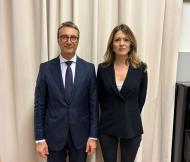
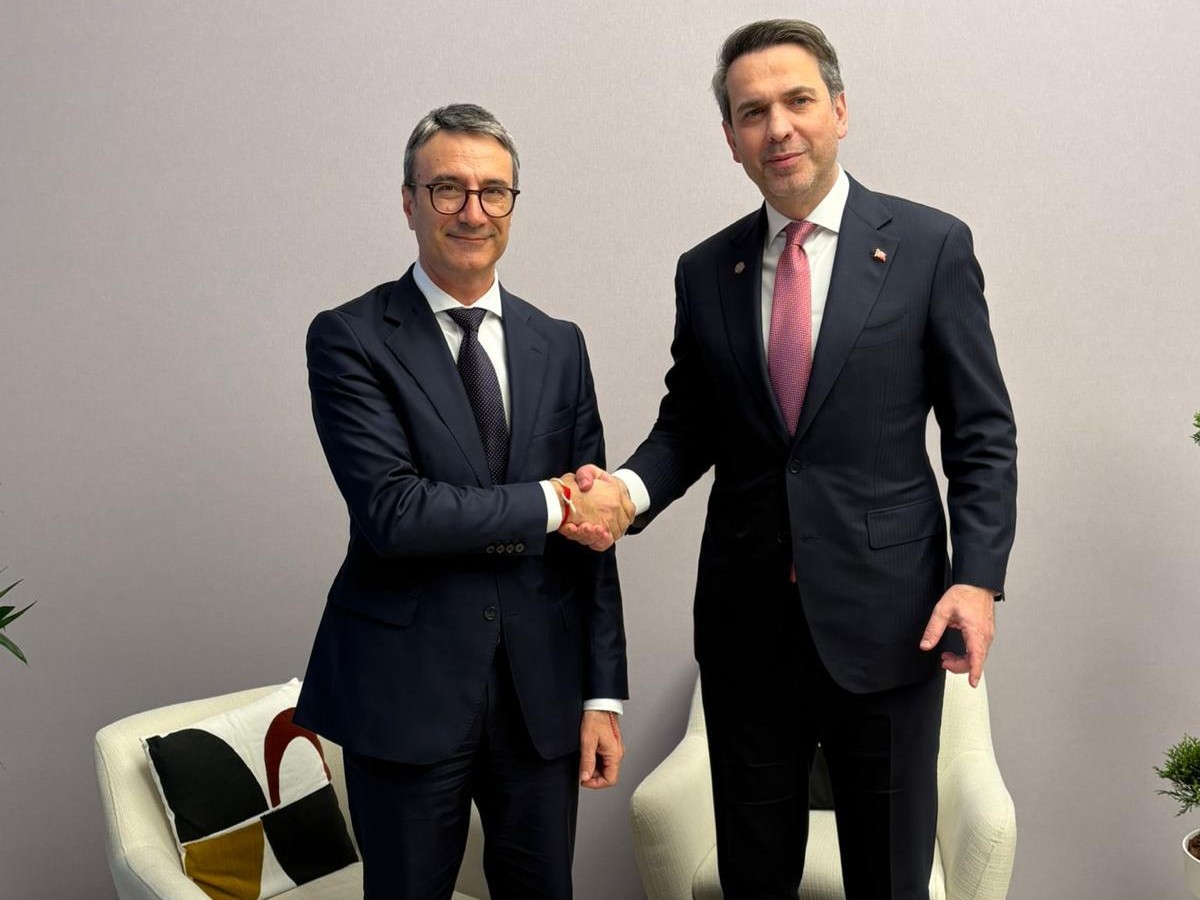
Minister Traikov invited Turkish counterpart Dr. Alparslan Bayraktar to meet in Sofia to discuss gas supply between the two countries
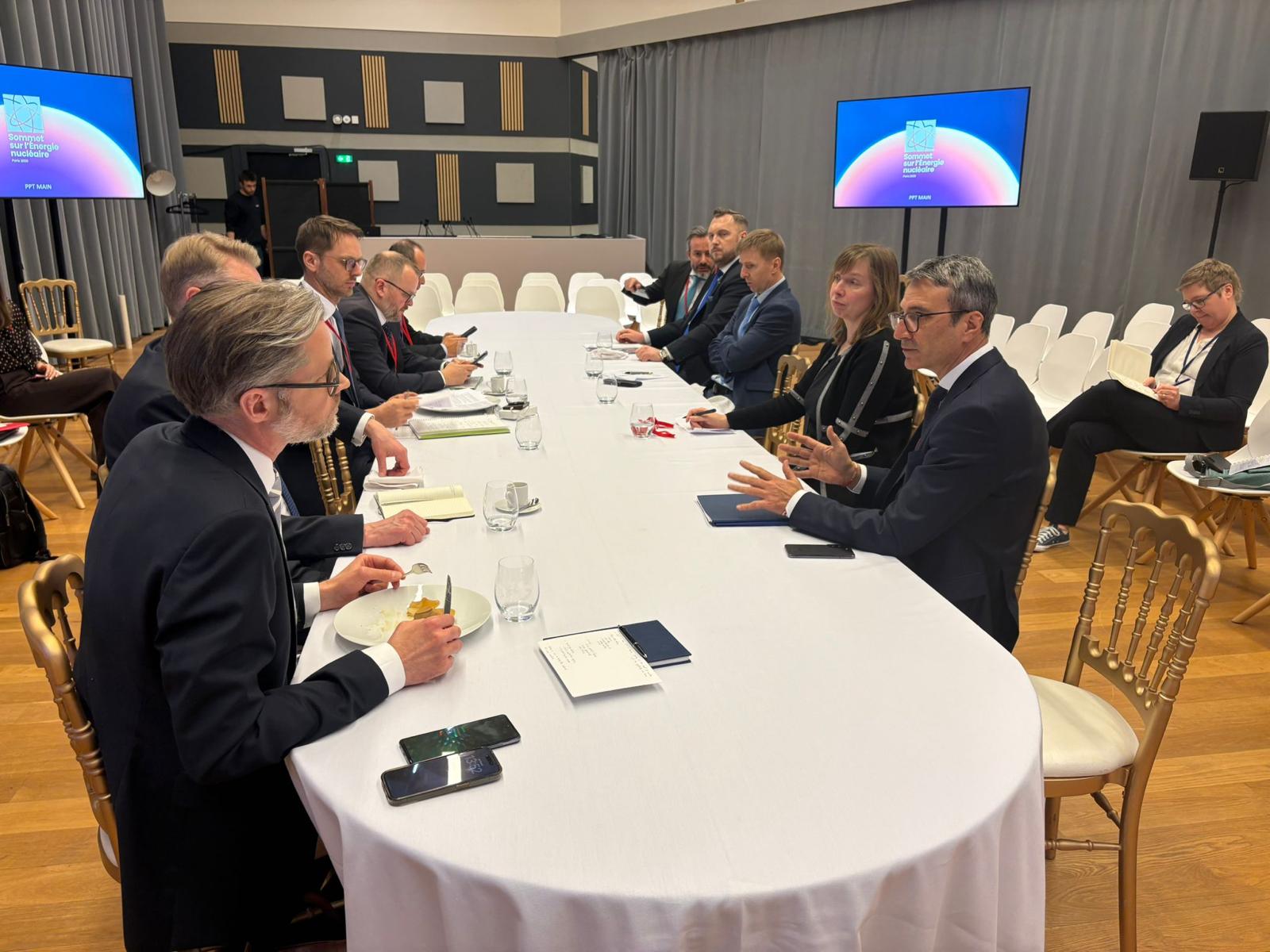
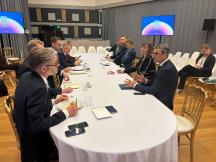
Caretaker Minister of Energy Traicho Traikov took part in the Second Nuclear Energy Summit, which took place in Paris on 10 March 2026. He was part of the Bulgarian delegation led by Prime Minister Andrey Gurov.
During the forum, Minister Traikov participated in the work of the ministerial meeting of the European Nuclear Alliance. The event brought together ministers and representatives of European Union member states who support the development of nuclear energy as an important element of the energy transition, energy security and efforts to reduce carbon emissions. The focus of the meeting was the current geopolitical situation and the impact of the crisis in the Middle East on energy markets, as well as topics related to progress in the inclusion and recognition of nuclear energy as a legitimate instrument in the EU's climate, energy and industrial policies and the preparation of a new Alliance declaration.
In his statement on the consequences of the crisis in the Middle East on the energy markets, Minister Traikov stressed that Bulgaria is closely monitoring the development of the situation and its potential impact on global energy supply and prices of raw materials. He noted the risks of a long-term blockade of the Strait of Hormuz, through which 20% of the world's crude oil supplies pass, which is already putting significant pressure on international markets and rising prices.
The Minister pointed out that Bulgaria relies on diversified sources of natural gas, among which is the long-term supply contract with the Azerbaijani state-owned company SOCAR, as well as the supply of liquefied natural gas from the United States through the Alexandroupolis terminal. The quantities supplied under the contract cover nearly 40% of the consumption in Bulgaria and are at favourable prices linked to oil indices for a longer period, which limits the impact of short-term price fluctuations.
During the discussion, Minister Traikov also drew the attention to the persistently high electricity prices in recent years, which remain a serious challenge for both Bulgaria and the countries of Southeastern Europe. In this context, he stressed the need to accelerate the development of cross-border electricity infrastructure and remove the existing barriers to interconnection. According to him, it is important to accelerate government support mechanisms aimed at alleviating the pressure on consumers.
The Minister stressed the importance of strategic autonomy in energy at European level and the need to reduce dependence on external suppliers. According to him, electrification is one of the important tools to limit the use of fossil fuels, which require reliable generation of clean electricity, the development of electricity grids and increased energy storage capacity.
"Nuclear energy plays a key role as a stable low-carbon basic source of energy, related to electricity generation, but also to heat and hydrogen production", stressed Minister Traikov. "Its role in Bulgaria's energy mix has been proven, and we are consistently developing this potential with the project for Units 7 and 8 at the Kozloduy Nuclear Power Plant. Our task at Community level is for it to be recognised as an equal component of the European energy mix, alongside renewable sources, in achieving the EU's climate goals by 2050. I am glad that it is already part of a number of European policies and legislative initiatives", added Minister Traikov.
Our country also welcomes the publication of the new European energy package, which includes the EU's Illustrative Nuclear Programme (PINC), a strategy for the development and deployment of small modular reactors and a strategy for investment in clean energy. These initiatives give a clearer signal of the place of nuclear energy in the Union's future energy mix.
Minister Traikov raised the issue of reviewing the technical criteria in the European taxonomy related to nuclear energy, including access to finance, in order to ensure equal and technologically neutral treatment of low-carbon technologies.
The European Nuclear Alliance was established in 2023 at the initiative of France to support the role of nuclear energy in achieving the EU’s decarbonisation, energy security and competitiveness goals. Bulgaria is among the founding members of the initiative, along with countries like the Czech Republic, Poland, Romania, Finland and Slovakia. The country plans to build new nuclear capacities with a total capacity of around 2 GW after 2030, including the implementation of Units 7 and 8 of the Kozloduy Nuclear Power Plant, as well as exploring the possibilities for SMR deployment. In parallel, the efforts are focused on the long-term operation of the existing capacities and on strengthening the expert capacity in the nuclear area.
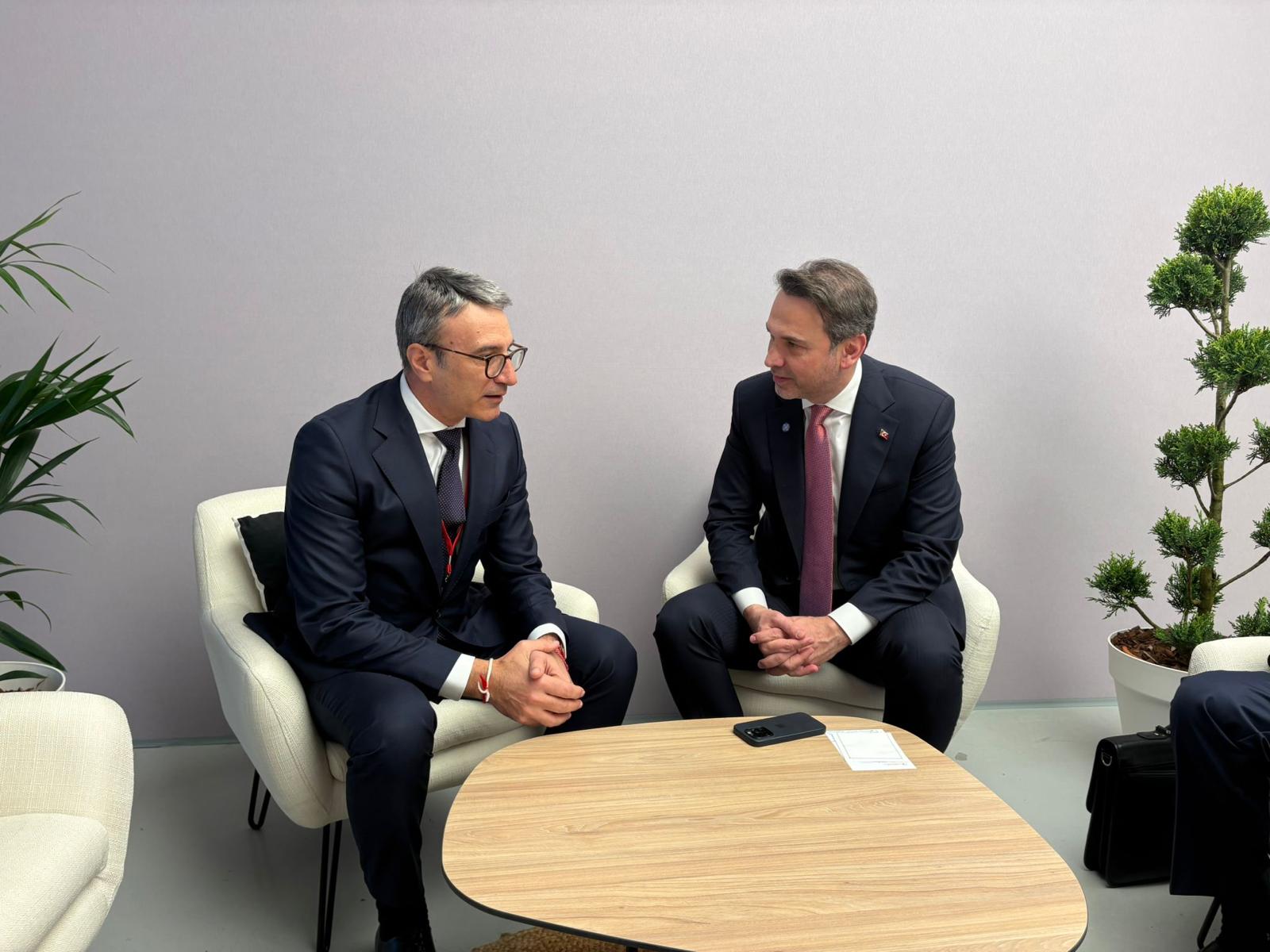
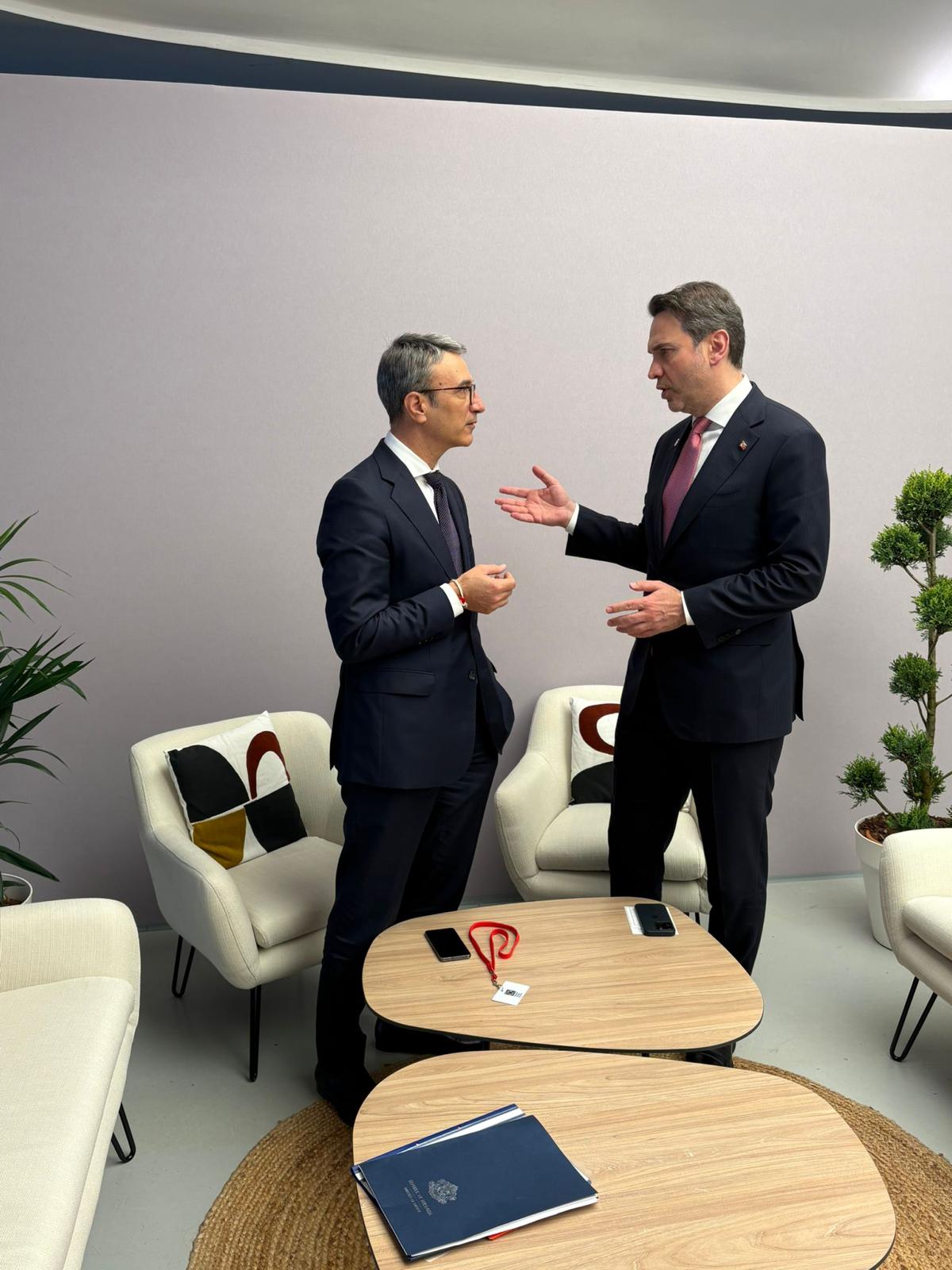
Within the forum, Minister Traikov held a bilateral meeting with the Minister of Energy and Natural Resources of Turkey Dr. Alparslan Bayraktar and invited him to visit Sofia. The Turkish side has shown understanding and willingness to change the terms of the contract with Botas. “Specific negotiations are pending, as we are talking about some very specific parameters, and at the same time Turkey has its own interests. We have other joint projects that we are currently discussing, such as green corridors through Turkey and Bulgaria for renewable energy sources, but the main topic is the gas contract," Traicho Traikov stressed.
Until the visit of Alparslan Bayraktar in Sofia, a detailed position will be prepared by the Bulgarian side on where we see opportunities to update this contract. “In my opinion, it is a good idea for Bulgaria to take advantage of the large capacity to import liquefied natural gas through Turkish terminals. We want to preserve the rational philosophy of this agreement, but we need to optimize the parameters and that is why we agreed to talk in Sofia, "said Minister Traikov.
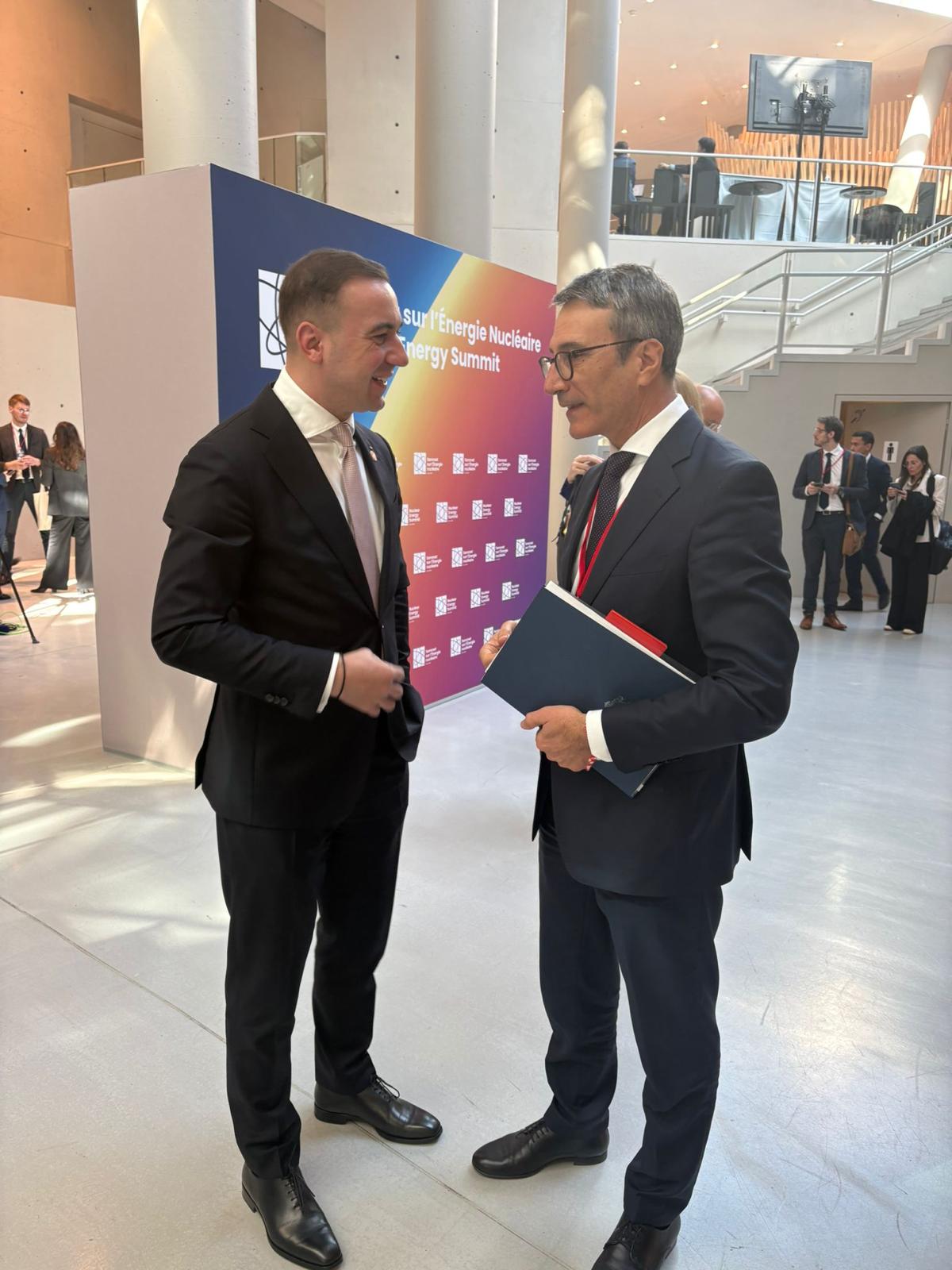
Ivan Minister Traikov discussed with his Romanian counterpart Bogdan-Gruia the possibility of submitting a joint application for grant funding for a feasibility study for the Nicopol-Turnu Magurele hydropower plant.
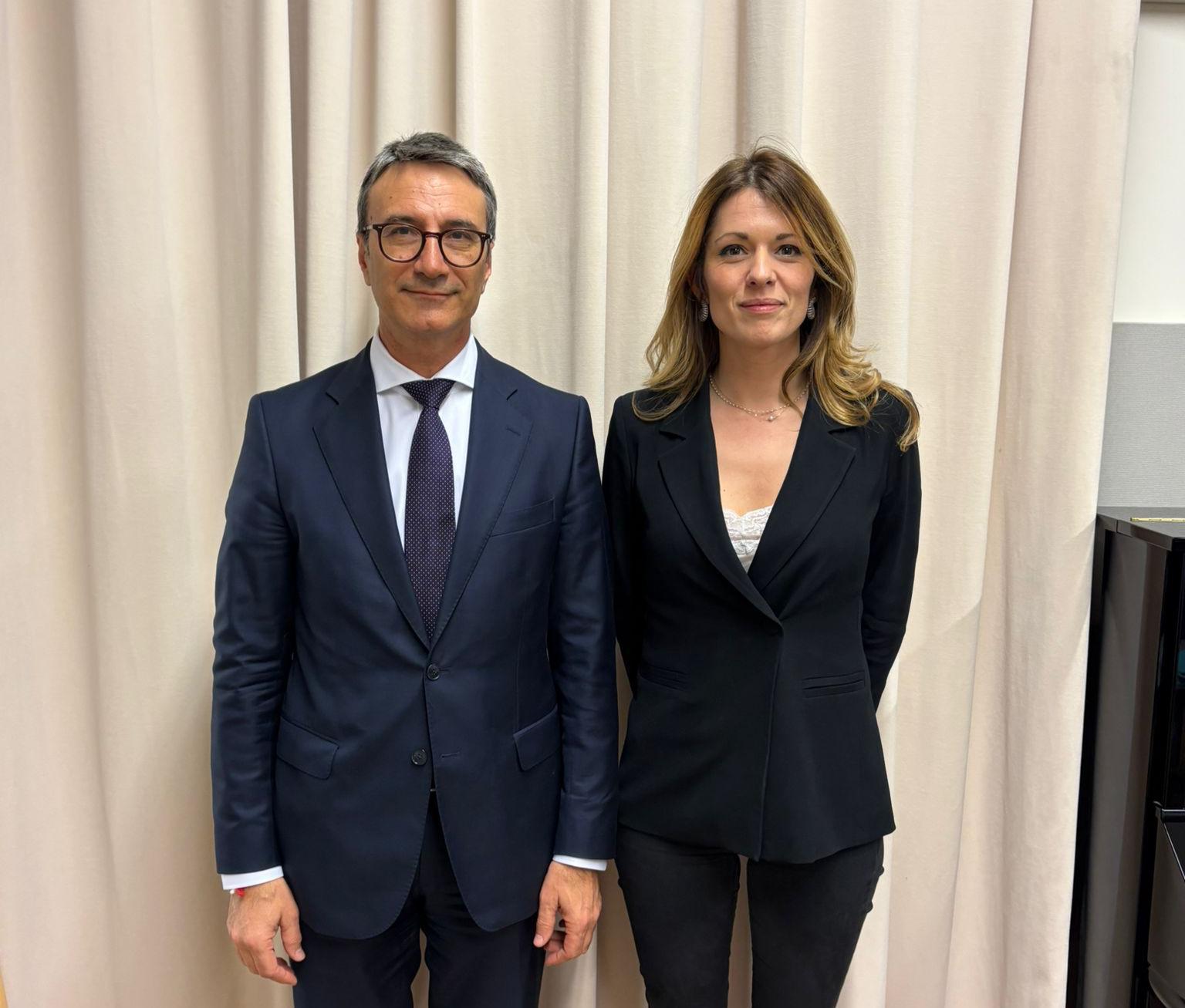
Minister Traikov also spoke with the Minister of Energy of France Maud Bregeon and participated in a joint meeting of Prime Minister Andrey Gurov with the Prime Minister of Ukraine Yulia Sviridenko.